HURT 100 Mile Endurance Run

Overall score 3.8Very good
Moderate evidence8 sources#21 of 95 ultras · Top 22%

Honolulu, Hawaii · Race day Sat 16 Jan 2027

Is it right for you?

Footing
Technical1.5
Climbing
Mountainous1.3
Overall cutoff
Normal2.9
Intermediate cutoffs
Generous4.1
Crew access
Good3.9
First timer friendly
Demanding1.6

Footing and climbing are course traits: 5 is the smoother, flatter end, not a better race.

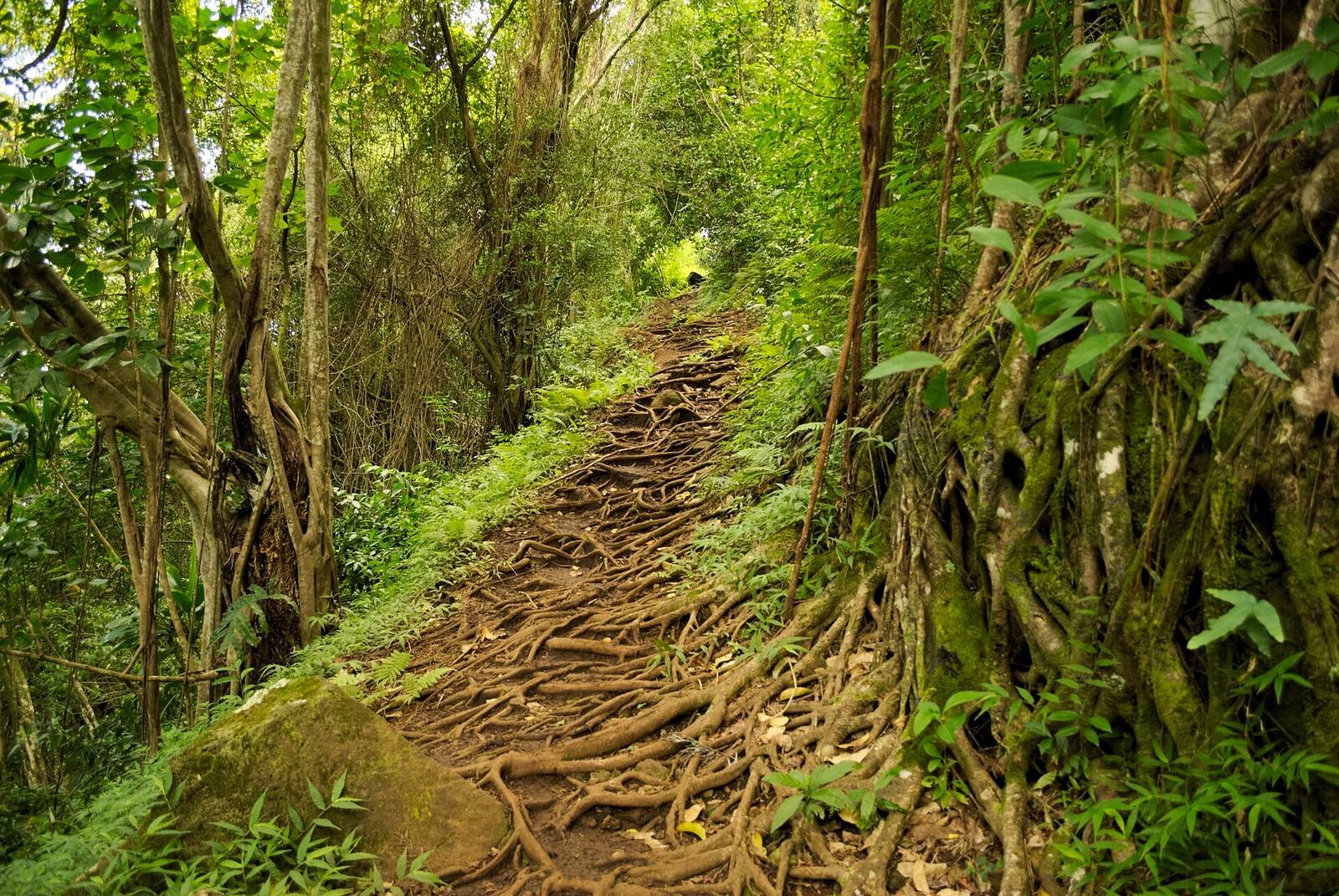
Watch out: Roots, rocks and mud: few stretches run steadily for more than a few hundred yards (about 300 m (984 ft)). All 5

Race website (opens in a new tab)

Score breakdown

Every score is out of 5, and 5 is always the better end.

Top 22%. Better than 78% of the 95 races.

Each bar is a range of 0.25 points; the light bar holds this race. The average race scores 3.4.

What does this score mean?

moderate8 sources behind this score: runner reviews and race reports. Moderate evidence is 5 to 9 separate sources.

Why runners love it

  • Five 19.5 mi (31.4 km) loops through Honolulu rainforest, each with three aid stations, hot food and ice.
  • Drop bags at all three stations and crew at Makiki every loop make resupply easy.
  • Conch-shell start, veteran volunteer captains and a Monday banquet give a strong local community feel.
  • No cutoff applies until mile 80 (129 km), 29 h into the race.
  • January highs near 27 °C (80 °F) are mild for 100 mi (161 km).

Watch out for

  • Roots, rocks and mud: few stretches run steadily for more than a few hundred yards (about 300 m (984 ft)).
  • About 7,468 m (24,500 ft) of climbing; blog reports put finish rates at 29 to 50 percent.
  • Weighted lottery, a 50 mi (80 km) qualifier and 8 h of trail work; only about 135 start.
  • About 12 h of darkness under dense canopy; wild pigs and stream bacteria are listed hazards.
  • No crew at Nuuanu; pacers only from mile 60 (97 km). Most reviews cover earlier loop layouts.

Latest or next race

Sat 16 Jan 2027

Entry about $425

Official race site(hurt100.com, opens in a new tab)
Climbing
7,468 m (24,500 ft)
Cutoff
36 hours
Pace needed
21:36 per mi (13:25 per km)
Field
about 135
Air
19–27 °C (66–81 °F)
First held
2001
Men's course record
19:22:44 (Tyler Juza, 2026)
Women's course record
23:26:32 (Alyssa Clark, 2025)

Training for HURT 100 Mile Endurance Run?

Moku Coach builds your plan around race day in January and this course.

Start free trial

What runners say

Overall score 3.8 out of 5

8 reviews and race reports

Tone of the reviews and race reports

  • Positive6
  • Mixed2
  • Negative0
Ran HURT 100 Mile Endurance Run? Rate it

Pick a score, then tell the next runner about the footing, cutoffs and aid stations.

Review highlights

8 reviews

  • Alyssa Clark

    Raced 2025 · iRunFar (guest report)

    Tone: Positive

    “The loop is technical, relentless, humid, and so much fun.”

    The women's winner and course-record setter describes five 20 mi (32 km) loops with about 5,000 ft (1,520 m) of gain each, crew swaps at the Nature Center and an ice-heavy hot first day. Her lights ran low on loop four, and the runner-up held back to give her light on a descent. She finished in 23:26:32.

    Covers Support, Course, Conditions

    Read on irunfar.com (iRunFar (guest report), opens in a new tab)
  • Evan Jensen

    Raced 2024 · WeeViews

    Tone: Positive

    Follows an Idaho runner who got a last-minute lottery spot and flew in with crew. Details the pre-race briefing, haka and conch start, a 6.5 h first loop, crew taping an Achilles at Makiki, and the colour-coded white, green, orange legs. Describes 132 starters and the 20 stream crossings.

    Covers Support, Course, Stay and travel

    Read on weeviews.com (WeeViews, opens in a new tab)
  • Anthony Lee

    Raced 2024 · Anthony Lee blog

    Tone: Positive

    Third-time HURT runner reports a strong race after a fuelling experiment. Notes that the 2024 route dropped the Manoa Falls sections for a steep paved climb and a pop-up aid point visited twice a loop with sticker check-in, giving about 26,000 ft (7,925 m) of gain. Volunteers loaded bacon and fruit at the Nature Center. Film crew on course.

    Covers Support, Course

    Read on anthonyclee.blogspot.com (Anthony Lee blog, opens in a new tab)
  • Austin Semmel

    Raced 2022 · Austin Semmel blog

    Tone: Positive

    “Only 48 of the 123 starters made it.”

    A road marathoner who took a late waitlist spot finished in 35:24:58, 38th of 48 finishers. He slipped on a wet rock early, hiked for most of the race, found a waist-mounted light far better than a headlamp in the dark, and leaned on crew and rotating pacers. He says anyone can try it with strong quads.

    Covers Support, Course, Conditions

    Read on austinsemmel.pages.dev (Austin Semmel blog, opens in a new tab)

Scores

Open a category for its ratings and the evidence behind them.

Very good. How runners feel about it, how well it is run, and the community around it. Counts for 25% of the overall score.

Toughness for its distance: Extreme

  • Runner satisfactionLoved4.3

    Reports from 2011 to 2025 call it brutal but rewarding; most describe older loop layouts, and the 2027 course is revised. · Medium confidence

  • OrganizationWell run4.3

    The 2027 Book of HURT sets out cutoffs, trackers, timing and drop bags in detail; few runners comment on how the day itself ran. · Low confidence

  • Community and vibeLegendary4.7

    Conch-shell start, veteran volunteer captains and a Monday banquet; runners cheer each other on the out-and-back sections. · Medium confidence

Very good. Aid stations, crew access, drop bags and pacer rules. Counts for 25% of the overall score.

  • Aid stationsGood3.7

    Three stations per 19.5 mi (31.4 km) loop, 5.2 to 7.4 mi (8.4 to 11.9 km) apart, with hot food and ice. · Medium confidence

  • Crew accessGood3.9

    Crew reaches Makiki every loop and Manoa after 10:00 Saturday; none at Nuuanu, and help only within 100 yd (91 m) of a station. · High confidence

  • Drop bagsEvery lap4.7

    Bags up to 12 x 12 x 18 in (30 x 30 x 46 cm) at all three stations, each passed five times. · High confidence

  • PacersMuch of the race3.7

    One pacer at a time from mile 60 (97 km) or 17:00 Saturday, starting only at Manoa or Makiki. · High confidence

Good. Course marking, scenery, and how runners rate the trail itself. Counts for 15% of the overall score.

  • Course markingClear4.2

    Colour-coded tape per leg, blue tape for wrong trails and glow sticks at key turns; by lap three most runners know the loop. · Medium confidence

  • SceneryBeautiful4.2

    Rainforest valleys, exposed ridges and Honolulu views; the dense canopy means about 12 h of full darkness at night. · Medium confidence

  • Trail experienceGreat3.5

    Runners love the trail and loop rhythm but describe tedious, technical repetition, mud and roots over 100 mi (161 km). · Medium confidence

Course traits, not part of the score

  • FootingTechnical1.5

    Nearly all single-track with roots, rocks, mud and cliff edges; the book describes few smooth stretches beyond a few hundred yards (about 300 m (984 ft)). · High confidence

  • RunnabilityLots of hiking1.7

    Steep climbs up to about 2 mi (3.2 km) long, hairpins and roots; runners power-hike most ups and pick through the downs. · High confidence

  • ClimbingMountainous1.3

    About 24,500 ft (7,468 m) over 100 mi (161 km), roughly 46 m (151 ft) per km (245 ft per mi). · High confidence

Very good. Race-day temperature and how predictable the weather is. Counts for 14% of the overall score.

  • Race-day temperatureWarm or cold3.0

    Honolulu January highs average 27 °C (80 °F), lows 19 °C (66 °F), but humidity is high and the forest is muddy. · Medium confidence

  • Weather reliabilityVariable3.1

    Rain is common and the book says Nuuanu Stream crossings can be rerouted if water is high; one report calls 2015 a dry year. · Medium confidence

Course traits, not part of the score

  • AltitudeSea level4.9

    The course ranges from 300 to 1,900 ft (91 to 579 m). · High confidence

Very good. How generous the overall and intermediate cutoffs are for the terrain. Counts for 13% of the overall score.

  • Overall cutoffNormal2.9

    36 h for 100 mi (161 km) with 7,468 m (24,500 ft) of climbing, technical trail; blog finish rates run 29 to 50 percent. · Medium confidence

  • Intermediate cutoffsGenerous4.1

    Cutoffs apply only on loop 5: 29 h at mile 80 (129 km), then 31.5 h and 33.5 h; staff can pull runners earlier. · High confidence

Not part of the score

  • First timer friendlyDemanding1.6

    Needs a 50 mi (80 km) finish first; blog finish rates run 29 to 50 percent; heat, humidity and technical footing punish inexperience. · Medium confidence

  • Getting inHard1.7

    Weighted lottery for about 135 starts, a 50 mi (80 km) qualifier and 8 h of trail work; many hundreds apply each year. · High confidence

Very good. Getting there, places to stay, race-day logistics and value. Counts for 8% of the overall score.

  • Travel easeEasy3.8

    Honolulu has a major airport, but most entrants fly across the Pacific and the book gives no airport distance. · Low confidence

  • Places to stayGood3.8

    Honolulu has plentiful hotels and rentals, but the race lists none and start parking is limited, so runners arrange rides. · Low confidence

  • LogisticsSome complexity3.3

    One start and finish at Makiki, but Friday check-in is at another venue, parking is tight and Nuuanu allows no crew. · Medium confidence

  • ValueGood value3.5

    The $425 fee is all in with tracker and aid; the banquet and travel to Hawaii add cost. · Medium confidence

Course

Route, 100 mi (161 km)

Loop course, 5 laps of 31 km (20 mi)

Surface
Trail
Climbing
7,468 m (24,500 ft)
Climb rate
Mountain, 46 m per km (245 ft per mi)
High point
579 m (1,900 ft)
Crossings
Many
Night
Most runners run through one night
Start
06:00

Cutoffs and aid

Overall cutoff
36 hours
Pace needed
21:36 per mi (13:25 per km)
Aid stations
3
Longest gap
12 km (7.4 mi)
Drop bags
Every lap
Crew access
Every lap
Pacers
Allowed after mile 60 (96.6 km) or 17:00 Saturday, whichever comes first; one at a time, starting only at Manoa or Makiki

Getting in

Entry
Lottery + qualifier
Qualifier
An official finish of 50 mi (80 km) or more within the event cutoff, between 1 August 2024 and 27 July 2026; 8 hours of trail work between 18 November 2025 and 17 November 2026; age 18 or older.
Fee
About $425
Field
About 135 runners

Checkpoint cutoffs

Official cutoff chart applies to loop 5 only (miles 80 to 100, 129 to 161 km). Finish closes 18:00 Sunday. Cutoffs are strictly enforced. The race director or aid captains may also pull a runner not on loop 5 who cannot reach the next drop point in time.

CheckpointCutoff
Makiki, mile 80129 km (80 mi)29:00 elapsed (11:00 Sunday)
Manoa, mile 87140 km (87 mi)31:30 elapsed (13:30 Sunday)
Nuuanu, mile 92.5149 km (93 mi)33:30 elapsed (15:30 Sunday)

Footing, aid and entry notes in full

Getting there and staying

Nearest airport
HNL
Where to stay
Start at the Hawaii Nature Center, 2131 Makiki Heights Drive. The book lists no hotels and refers runners to the Hawaii Tourism Authority. Parking at the start is limited, so carpooling or taxi is advised. Friday briefing and bag pickup and Monday banquet are at Keehi Lagoon Memorial near the airport. One 2024 runner stayed in an Airbnb.

Similar races

Closest on distance, course shape, climbing, footing, region and season.

Every ultra ranked by likeness to this one

Key facts

Checked against the 2027 (Book of HURT alternate-course edition and race pages, re-read 2026-11-29) edition on the official race site. Rules change, so confirm before you enter.

Location
Honolulu, Hawaii, United States
Region
West Coast
Typical month
January
First held
2001
Surface
99% single-track and 1% asphalt: moderately packed soil with roots, rocks, puddles and mud. 2027 adds one 2.5 mi (4.0 km) Lower Loop before five 19.5 mi (31.4 km) revised loops.
Footing
Official book: roughly 24,500 ft (7,468 m) of gain and the same of loss over 100 mi (161 km); elevation ranges from 300 to 1,900 ft (91 to 579 m). Exposed ridges and cliff edges on Manoa Cliff and Nuuanu trails; steep inclines up to about 2 mi (3.2 km) long.
Water
The 2027 book counts 22 stream crossings (2 on the Lower Loop, 4 on each of the 5 revised loops) in its overview and 20 in its terrain text. Nuuanu Stream is crossed on scattered rocks; Manoa Stream on wood planks. Streams carry leptospirosis, so runners must not drink from them.
Aid and crew
Three stations per loop: Makiki (Hawaii Nature Center, start/finish), Manoa (Paradise Park) and Nuuanu (Judd Trail), 5.2 to 7.4 mi (8.4 to 11.9 km) apart; each is visited 5 times. 2027 adds a self-service water station at the end of the Lower Loop. Cupless race. Drop bags (max 12 x 12 x 18 in, 30 x 30 x 46 cm) at all three stations, dropped off at Makiki from 04:45. Crew only within 100 yd (91 m) of a station, none at Nuuanu at any time, and none at Manoa before 10:00 on Saturday. Runners wear a tracker from check-in.
Mandatory gear
The 2027 Book of HURT lists no mandatory gear. Runners receive a tracker at check-in, bib must be visible on the front, and the race recommends a whistle and leaving each aid station with at least 32 oz (0.95 L) of water. Cupless race; powered cooling vests not allowed.
Weather
Honolulu airport in January averages a high of 80 F (27 C) and a low of 65.8 F (19 C), with extremes of 88 F (31 C) and 52 F (11 C); mean monthly rain 3.34 in (85 mm). The forest and exposed ridges run cooler and windier, and nights can drop below 60 F (16 C).
Humidity
High; rain forest is wetter and cooler than the airport
Sources

Pages we used for facts and ratings. See how we rate ultras.

Training for HURT 100 Mile Endurance Run? Moku Coach builds your plan around race day.