Bigfoot 200 Mile Endurance Run

Overall score 2.7Good
Moderate evidence7 sources#89 of 95 ultras · Bottom 7%

Cougar, Washington · Race day Fri 13 Aug 2027

Is it right for you?

Footing
Technical1.7
Climbing
Hilly1.7
Overall cutoff
Normal3.2
Intermediate cutoffs
Reasonable3.2
Crew access
Some points2.8
First timer friendly
Demanding1.5

Footing and climbing are course traits: 5 is the smoother, flatter end, not a better race.

Watch out: Longest legs reach 25.2 mi (40.6 km); one runner needed 9 h for 19 mi (31 km) of overgrowth. All 5

Held back by stay and travel (2.3) and conditions (2.4).

Race website (opens in a new tab)

Score breakdown

Every score is out of 5, and 5 is always the better end.

Bottom 7%. Ahead of 6% of the 95 races.

Each bar is a range of 0.25 points; the light bar holds this race. The average race scores 3.4.

What does this score mean?

moderate7 sources behind this score: runner reviews and race reports. Moderate evidence is 5 to 9 separate sources.

Why runners love it

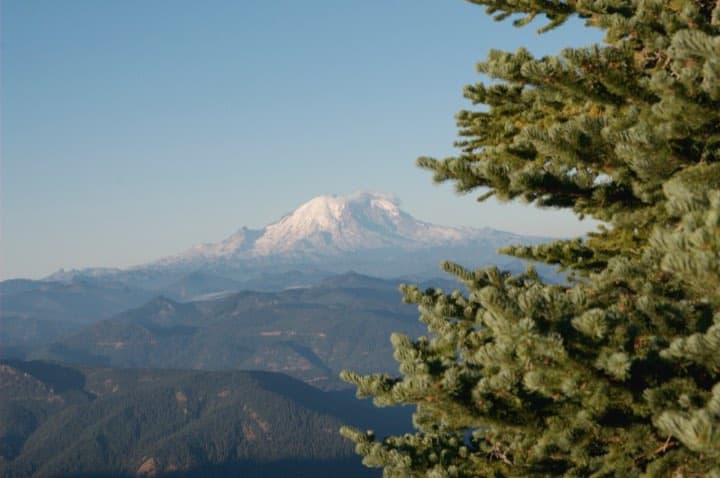
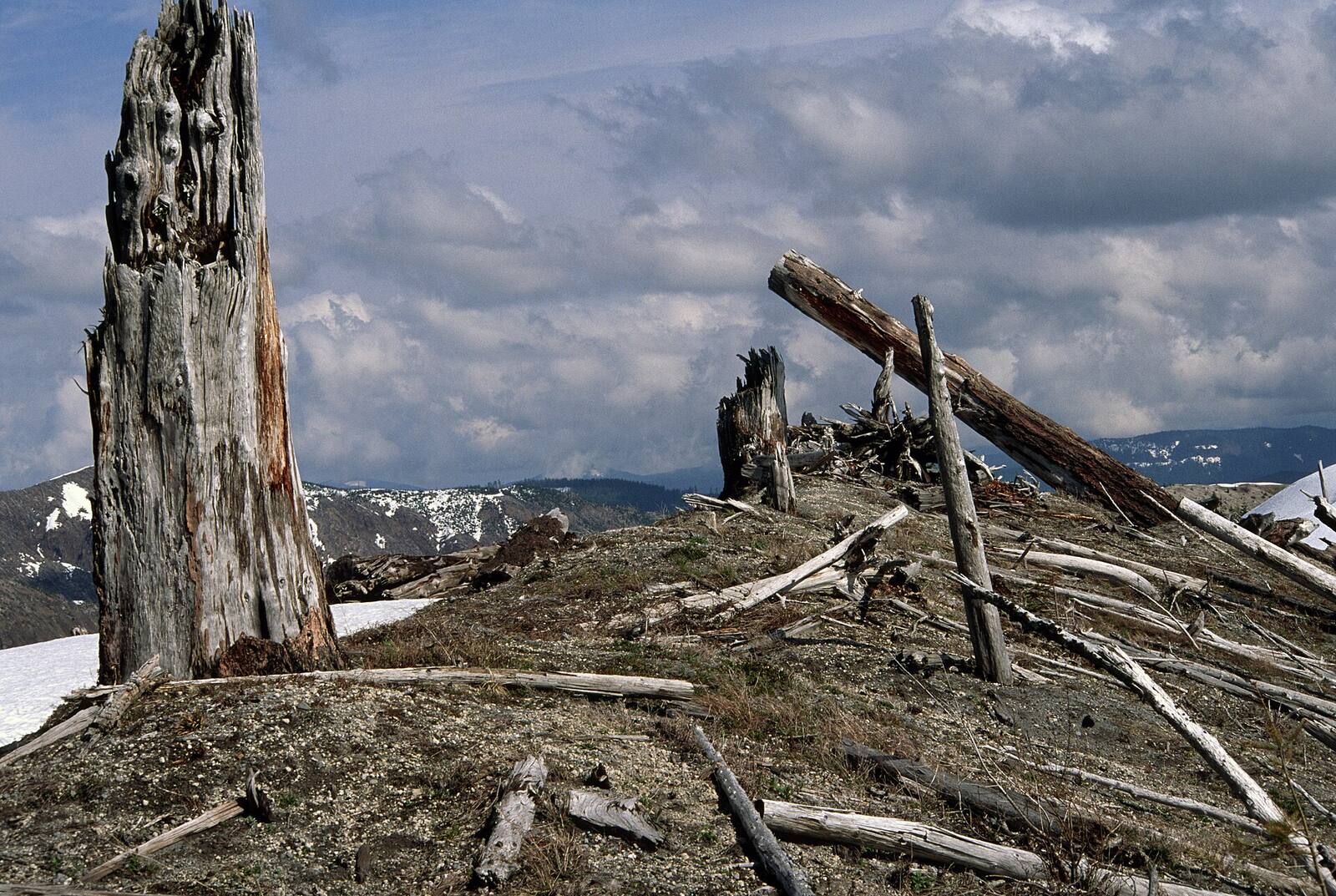
  • First day crosses the Mount St. Helens blast zone and the Mount Margaret ridges, with views of Spirit Lake.
  • Drop bags at every aid station, and five sleep stations with tents, pads and blankets.
  • Hot food, medics and HAM radio at every station; trackers are monitored 24 h a day.
  • 107 h limit (4 days 11 h) for 200.1 mi (322 km); one coached walker finished in 103 h.
  • Free finish-line meal for runners, crew and pacers; finishers inside the limit get a handmade buckle.

Watch out for

  • Longest legs reach 25.2 mi (40.6 km); one runner needed 9 h for 19 mi (31 km) of overgrowth.
  • Heat near 38 °C (100 °F) on day one and cold nights, down to -1 °C (30 °F).
  • Marking can thin out; a GPX track is mandatory and cell service is poor.
  • Point to point: 06:30 bus and 2.5 h ride from the finish town; crew roads are slow.
  • Sold out for 2027 and run by lottery; wildfire or snow can cancel the race.

Latest or next race

Fri 13 Aug 2027

Entry about $1,795

Official race site(destinationtrailrun.com, opens in a new tab)
Climbing
13,436 m (44,080 ft)
Cutoff
107 hours
Pace needed
32:06 per mi (19:57 per km)
Air
-1–38 °C (30–100 °F)
First held
2015
Median finish
About 91.7 h (2026 finishers, computed from the UltraSignup results list)

Training for Bigfoot 200 Mile Endurance Run?

Moku Coach builds your plan around race day in August and this course.

Start free trial

What runners say

Overall score 2.7 out of 5

7 reviews and race reports

Tone of the reviews and race reports

  • Positive3
  • Mixed4
  • Negative0
Ran Bigfoot 200 Mile Endurance Run? Rate it

Pick a score, then tell the next runner about the footing, cutoffs and aid stations.

Review highlights

7 reviews

  • Run Wild Missoula

    Raced 2023 · Blog

    Tone: Positive

    “The Bigfoot 200 is impossible.”

    A first-time crew-and-pacer runner finished and calls ultras a team sport. Describes the start straight up Mount St. Helens through a boulder field marked by posts, about 100 °F (38 °C) with no shade for 7 h over 29 mi (47 km), no cell service, a 1 h 40 min drive for crew to cover 20 mi (32 km), a mudslide road closure and a 7,437 ft (2,267 m) climb.

    Covers Support, Course, Conditions, Stay and travel

    Read on runwildmissoula.org (Run Wild Missoula, opens in a new tab)
  • Robert Johnson

    Raced 2022 · Reno Running Company

    Tone: Positive

    Finishing on a second try with no crew or pacers by planning sleep at the sleep stations and skipping two drop bags. Describes a 50 ft (15 m) rope climb, an 18 mi (29 km) exposed leg where he ran out of water, a dead phone that briefly cost him the map and a wrong-trail scare, and a human arch for the last finisher. Flew to Portland and drove to a Woodland hotel about 1 h from the start.

    Covers Support, Course, Cutoffs, Stay and travel

    Read on renorunningcompany.com (Reno Running Company, opens in a new tab)
  • Joe Schmal

    Raced 2019 · The Managed Bonk

    Tone: Mixed

    Finished the 206 mi (332 km), 42,000 ft (12,800 m) course in a roughly 58 h effort. Registration was still open with 175 of 200 spots taken. Says the first day around Mount St. Helens was most scenic, the 19 mi (31 km) Coldwater to Norway Pass leg gained about 5,100 ft (1,550 m), and a 19 mi (31 km) overgrown leg after Lewis River with about 5,500 ft (1,680 m) of gain was the worst. Heat and a flaky tracker surprised him.

    Covers Support, Course, Conditions, Cutoffs

    Read on jbschmal.blogspot.com (The Managed Bonk, opens in a new tab)
  • Sarah Barker

    Raced 2018 · Deadspin

    Tone: Positive

    Profile of a first-time 200 runner who finished in 82 h 3 min on a 206.5 mi (332 km) route with 42,000 ft (12,800 m) of gain; the cutoff then was 105 h. He took trail naps instead of station sleep, washed up at stations and used pacers late in the race, including after mile 158 (254 km).

    Covers Support, Cutoffs

    Read on deadspin.com (Deadspin, opens in a new tab)

Scores

Open a category for its ratings and the evidence behind them.

Good. How runners feel about it, how well it is run, and the community around it. Counts for 25% of the overall score.

Toughness for its distance: Extreme

  • Runner satisfactionLoved4.1

    Reports from 2016 to 2023 call it brutal but unforgettable; first-day scenery and crew-and-pacer teamwork stand out, recent reports are few. · Medium confidence

  • OrganizationWell run4.0

    The 2027 manual is detailed, with HAM radio at every station and 24 h tracking; reports mention a lost-shoes mix-up and a 2017 rescue. · Low confidence

  • Community and vibeWarm4.2

    Runners describe a human arch for the last finisher, volunteers cooking bacon and runners pairing up overnight. · Medium confidence

Good. Aid stations, crew access, drop bags and pacer rules. Counts for 25% of the overall score.

  • Aid stationsStandard2.7

    12 stations, up to 25.2 mi (40.6 km) apart, with hot food and medics; one runner ran dry over 18 mi (29 km). · Medium confidence

  • Crew accessSome points2.8

    Crew reaches 8 of 13 points by 2WD road, one vehicle each; one crew drive of 20 mi (32 km) took 100 min. · High confidence

  • Drop bagsEvery lap4.5

    Bags at every aid station and the finish, up to 16 x 24 x 10 in (41 x 61 x 25 cm); delays possible. · High confidence

  • PacersMuch of the race3.9

    One pacer at a time from Elk Pass (mile 67, 108 km (67.1 mi)) to the finish; the manual is inconsistent about Coldwater Lake. · Medium confidence

Good. Course marking, scenery, and how runners rate the trail itself. Counts for 15% of the overall score.

  • Course markingMostly clear3.0

    Ribbons and arrow signs, but the manual admits stretches with little marking and requires a GPX track; wrong turns and a 2017 rescue reported. · Medium confidence

  • ScenerySpectacular4.7

    Mount St. Helens blast zone, Mount Margaret ridges and old growth; reviewers call day one the most scenic. · Medium confidence

  • Trail experienceGreat3.5

    Rope sections, boulder fields and ridge views, but also bushwhacking and downed logs; one runner took 9 h for 19 mi (31 km). · Medium confidence

Course traits, not part of the score

  • FootingTechnical1.7

    Boulder fields, fixed ropes, scrambles, river crossings, overgrown brush and downed logs on parts of the route. · High confidence

  • RunnabilityLots of hiking2.1

    The manual plans for 1.5 to 2.2 mph on most legs; one runner needed 9 h for 19 mi (31 km). · Medium confidence

  • ClimbingHilly1.7

    44,082 ft (13,436 m) of gain over 200.1 mi (322 km), about 42 m (138 ft) per km (220 ft per mi). · High confidence

Below par. Race-day temperature and how predictable the weather is. Counts for 14% of the overall score.

  • Race-day temperatureHarsh2.2

    The manual says 30 to 100 °F (-1 to 38 °C); reports cite about 100 °F (38 °C) on exposed day one. · Medium confidence

  • Weather reliabilityUnsettled2.3

    Cancellation clauses cover wildfire, snow and storms; a mudslide closed a road and forced a reroute in 2023. · Medium confidence

Course traits, not part of the score

  • AltitudeLow3.7

    The manual gives no high point; its forecast reference is 3,400 ft (1,036 m), and the course crosses ridgelines. · Low confidence

Good. How generous the overall and intermediate cutoffs are for the terrain. Counts for 13% of the overall score.

  • Overall cutoffNormal3.2

    107 h for 200.1 mi (322 km) is about 1.9 mph; one coached walker finished in 103 h, but the terrain is very hard. · Medium confidence

  • Intermediate cutoffsReasonable3.2

    12 timed stations; the manual's leg paces run 1.5 to 2.2 mph, and arriving exactly at a cutoff counts as a DNF. · Medium confidence

Not part of the score

  • First timer friendlyDemanding1.5

    The manual calls for ultra experience: 200 mi (322 km), sleep loss, remote terrain and no cell service. · Medium confidence

  • Getting inSells out2.8

    Lottery in August 2026, now sold out with a waitlist; no qualifier is stated, but the manual expects ultra experience. · Medium confidence

Below par. Getting there, places to stay, race-day logistics and value. Counts for 8% of the overall score.

  • Travel easeAwkward2.4

    Remote forest: one runner flew to Portland and stayed about 1 h from the start; the official bus ride is 2.5 h. · Low confidence

  • Places to stayBook early2.9

    Randle and Packwood have RV parks and motels about 20 min from the finish; Cougar has one resort near the start. · Medium confidence

  • LogisticsFiddly2.0

    Point to point: 06:30 bus from the finish town, a 2.5 h ride, and crew driving remote roads. · Medium confidence

  • ValueFair3.0

    $1,795 (about $1,895 after 31 December) includes tracker, bivy, sleep stations, hot food and a handmade buckle. · Medium confidence

Course

Route, 200 mi (322 km)

Point to point

Surface
Trail
Climbing
13,436 m (44,080 ft)
Climb rate
Mountain, 42 m per km (220 ft per mi)
Crossings
Many
Night
Two or more nights
Start
12:00

Cutoffs and aid

Overall cutoff
107 hours
Pace needed
32:06 per mi (19:57 per km)
Aid stations
12
Longest gap
41 km (25 mi)
Drop bags
Most stations
Crew access
Some points
Pacers
Allowed from Elk Pass (mile 67.2, 108 km) to the finish per the rules of conduct; one at a time, pickup only at crew stations

Getting in

Entry
Lottery
Fee
About $1,795

Checkpoint cutoffs

Official manual: 107 h overall (finish closes 23:00 Tuesday). Runners must leave each station before its cutoff; arriving at the cutoff time counts as a DNF. Buckles go only to finishers inside the cutoff; unofficial finishers who left the last station in time get a print and glass.

CheckpointCutoff
Blue Lake, mile 12.220 km (12 mi)5.5 h elapsed (17:30 Friday)
Coldwater Lake, mile 37.460 km (37 mi)22 h elapsed (10:00 Saturday)
Norway Pass, mile 56.190 km (56 mi)32 h elapsed (20:00 Saturday)
Elk Pass, mile 67.2108 km (67 mi)37.5 h elapsed (01:30 Sunday)
RD 9327, mile 82.2132 km (82 mi)45.5 h elapsed (09:30 Sunday)
Spencer Butte, mile 93.4150 km (93 mi)52 h elapsed (16:00 Sunday)
Lewis River, mile 101163 km (101 mi)56 h elapsed (20:00 Sunday)
Quartz Ridge, mile 118.2190 km (118 mi)65.5 h elapsed (05:30 Monday)
Chain of Lakes, mile 134.4216 km (134 mi)73 h elapsed (13:00 Monday)
Klickitat, mile 151.7244 km (152 mi)82.5 h elapsed (22:30 Monday)
Twin Sisters, mile 171.1275 km (171 mi)93.5 h elapsed (09:30 Tuesday)
Owens Creek, mile 187.1301 km (187 mi)101.5 h elapsed (17:30 Tuesday)

Footing, aid and entry notes in full

Getting there and staying

Nearest airport
PDX
Where to stay
Check-in, pre-race meeting, HQ and finish are at White Pass High School in Randle; buses leave at 06:30 for a 2.5 h ride to the start at Marble Mountain Sno-Park near Cougar. The race lists Randle-area RV parks (Shady Firs, Cascade Peaks), Packwood motels and campgrounds about 20 min away, and Lone Fir Resort in Cougar about 30 min from the start. Free overnight parking at the finish. One 2022 runner flew to Portland and stayed in Woodland, about 1 h from the start.

Similar races

Closest on distance, course shape, climbing, footing, region and season.

  • Cascade Crest 100 Mile Endurance Run

    Overall score 3.9Easton, WA

    Point to point or one big loop · Similar climbing · Also on the West Coast

  • Badwater 135

    Overall score 3.1Death Valley to Lone Pine, CA

    Also 200 mi+ · Point to point or one big loop · Also on the West Coast

  • Eastern States 100

    Overall score 2.8Waterville, PA

    Point to point or one big loop · Similar climbing · Similar footing

Every ultra ranked by likeness to this one

Key facts

Checked against the 2027 (runner manual and Bigfoot page, re-read 2026-11-29) edition on the official race site. Rules change, so confirm before you enter.

Location
Cougar, Washington, United States
Region
West Coast
Typical month
August
First held
2015
Surface
Remote backcountry trail through Gifford Pinchot National Forest: volcanic boulder field, sand and ash, ridgeline singletrack, old-growth forest, rail-trail sections, forest roads and a few paved miles; finishes on a high school track in Randle.
Footing
Manual gives 44,082 ft (13,436 m) of ascent and 45,563 ft (13,890 m) of descent over 200.1 mi (322 km); the manual's own metric figure for ascent (13,558 m) does not match its feet figure, so the feet figure is used. Fixed-rope descent and climb near Blue Lake, boulder fields, river crossings and overgrown sections. The manual gives no high point.
Water
Many creek and river crossings, some knee deep or silty; three wet-feet crossings to the shins between Chain of Lakes and Klickitat; a fixed-rope canyon crossing near Blue Lake.
Aid and crew
Manual: 12 full aid stations (hot food, medical, HAM radio), 5 of them sleep stations in the chart (the intro text says 6), plus the finish. Longest legs: Blue Lake to Coldwater Lake 25.2 mi (40.6 km) and Coldwater Lake to Norway Pass 18.7 mi (30.1 km). Drop bags allowed at all stations. Crew at about 8 of 13 points (Coldwater Lake, Norway Pass, Elk Pass, RD 9327, Quartz Ridge, Klickitat, Owens Creek and the finish; Chain of Lakes is crew in one table and no in another); one vehicle per runner, no RVs, no camping. Pacers need a bib, carry the same gear and may not mule. The aid-station notes say pacing is allowed from Coldwater Lake (mile 37.4, 60 km) but the rules say Elk Pass. Sleep at stations is limited to 6 h.
Mandatory gear
Hooded jacket, gloves, hat or buff, full-length pants, long-sleeve insulating layer, headlamp or waist light with spare batteries, whistle, phone, GPX track of the course, water filter, 500 emergency calories, plus the SPOT tracker, emergency bivy and wag bag supplied by the race. Gear checks run at check-in and randomly during the race; wag bags are required on trail.
Weather
Manual: 30 to 100 F (-1 to 38 C); lows as low as 7 F (-14 C) have been recorded. Two reports cite about 100 F (38 C) in the blast zone and above 90 F (32 C) on day one, with cold, wet nights in other years.
Sources

Pages we used for facts and ratings. See how we rate ultras.

Training for Bigfoot 200 Mile Endurance Run? Moku Coach builds your plan around race day.