Tahoe 200 Endurance Run
Stateline, Nevada · June · 200 mi
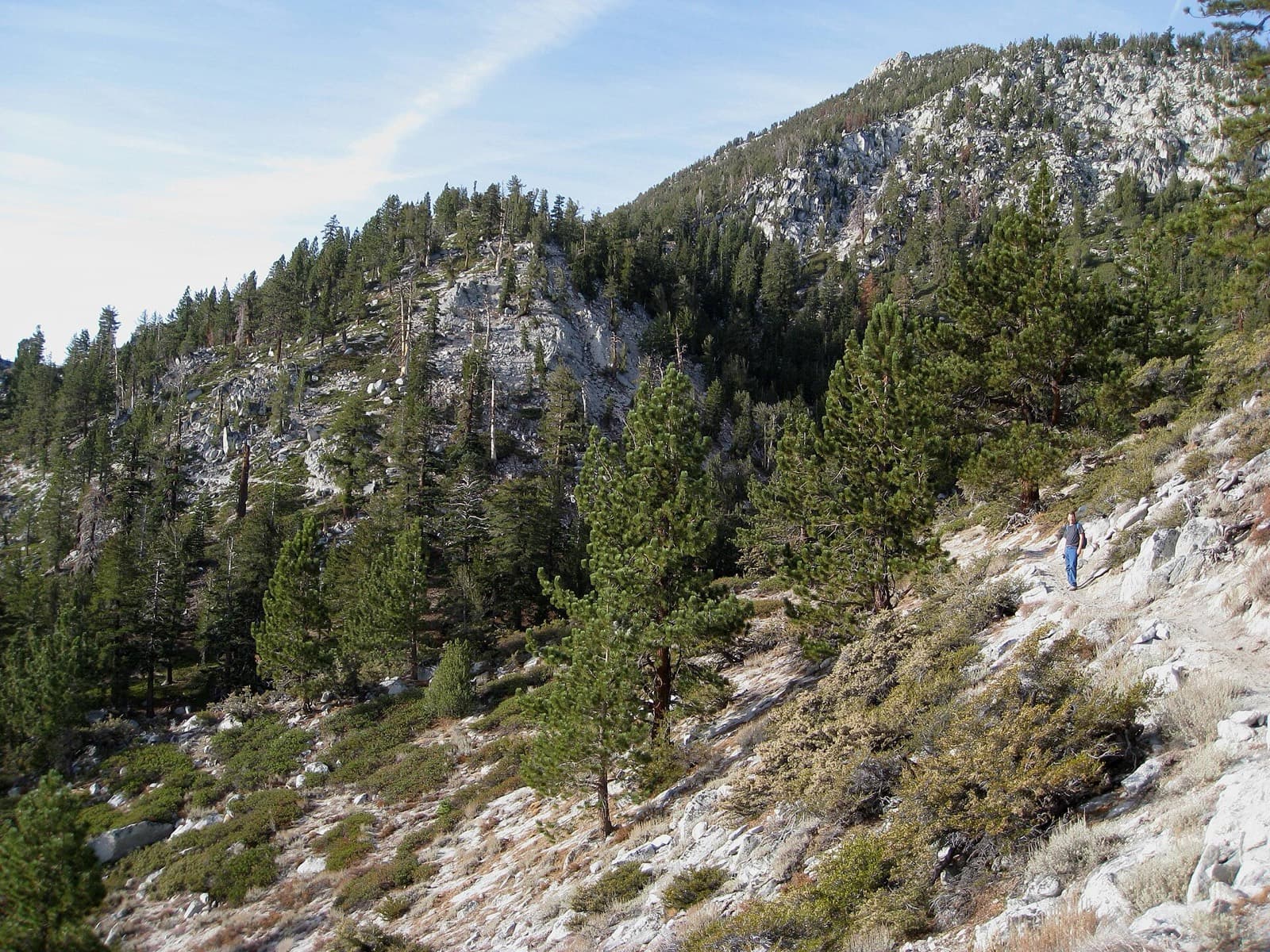
- Distance
- 200.4 mi (323 km)
- One big loop
- Climbing
- 9,782 m (32,090 ft)
- Hilly: 30 m per km (160 ft per mi)
- Overall cutoff
- 105 hours
- 31:24 per mi (19:31 per km) average
- Finish rate
- 70%
- of starters in 2026
Why runners love it
- One loop of Lake Tahoe: 322.5 km (200.4 mi), mostly on the Tahoe Rim Trail
- Sleep stations at 114 km (mile 70.7), 166 km (103.1) and 239 km (148.6), with tents, pads and blankets
- 12 full aid stations with hot food to order and medical care at every one
- 105 h limit with rolling cutoffs; pacers allowed from Loon Lake at 141 km (mile 87.6)
- Western States qualifier per the race site; 183 finishers (70%) in 2026
Watch out for
- Sold out for 2027, waitlist only; $1,795 plus fees
- Crew points are up to 68 km (42 mi) apart, and several stations have no crew access
- Cutoffs are leave-by times: arriving at the time is a DNF, and sleep is capped at 6 h
- Remote first 160 km (100 mi) with fire scar and route-finding; carrying the GPX is mandatory
- Sections up to 32 km (20 mi) may lack water; temperatures span -12 to 32 C (10-90 F)
Race
How runners feel about it, how well it is run, and the community around it. Counts for 25% of the overall score.
Toughness for its distance: Extreme
- Runner satisfactionLoved4.4
A five-star first-person rating and praise for the director and finish; runners also call it the hardest 200 (322 km) they have done. · Medium confidence
- OrganizationWell run4.2
Very detailed runner manual, 24 h tracking, HAM radio and a mandatory GPS check; strict policies and yearly permit-driven course changes. · Medium confidence
- Community and vibeWarm4.0
The director writes of the race as a life accomplishment, with volunteers and crews central; few first-hand accounts of the atmosphere. · Low confidence
Support
Aid stations, crew access, drop bags and pacer rules. Counts for 25% of the overall score.
- Aid stationsStandard3.2
12 full stations with hot food and 3 sleep stations, but gaps up to 31.2 km (19.4 mi) and some sections without water. · Medium confidence
- Crew accessSome points2.6
Crew can reach six stations plus the start and finish, up to 68 km (42 mi) apart; vehicles must fit one parking space. · High confidence
- Drop bagsMany stations4.2
Bags allowed at every station except Armstrong Pass, up to 41 x 61 x 36 cm (16 x 24 x 14 in). · High confidence
- PacersMuch of the race3.7
Pacers allowed from Loon Lake at 141 km (mile 87.6), joining only at crew-access stations. · High confidence
Course
Course marking, scenery, and how runners rate the trail itself. Counts for 15% of the overall score.
- Course markingMostly clear3.4
Reflective markers and arrow signs, but runners expect gaps and must carry the GPX; fire scar and blowdown add route-finding. · Medium confidence
- ScenerySpectacular4.7
A full loop of Lake Tahoe with alpine lakes, granite ridges and aspen meadows. · Medium confidence
- Trail experienceGreat4.0
Runners rate the adventure highly; the first 160 km (100 mi) is rugged and the rest smoother, which splits opinion. · Medium confidence
Course traits, not part of the score
- FootingTechnical2.3
The first 160 km (100 mi) is rugged and technical through burn scar and rock, easing to Tahoe Rim Trail singletrack. · Medium confidence
- RunnabilityMixed2.5
9,782 m (32,093 ft) of gain, a required pace near 3 km (1.9 mi)/h (1.9 mph) and heavy hiking. · Medium confidence
- ClimbingRolling hills2.6
Climbs 160 ft per mi (30 m per km), from the official elevation gain. · High confidence
Conditions
Race-day temperature and how predictable the weather is. Counts for 14% of the overall score.
- Race-day temperatureWarm or cold2.8
The manual cites -12 to 32 C (10 to 90 F); cold nights, hot afternoons and mosquitoes. · Medium confidence
- Weather reliabilityUnsettled2.4
Hail, rain and snow have all occurred; snow, fire and permits have changed the course repeatedly. · Medium confidence
Course traits, not part of the score
- AltitudeElevated1.9
Starts near 1,900 m (6,234 ft) and reportedly peaks near 2,700 m (9,000 ft), so the whole race is at altitude. · Medium confidence
Cutoffs
How generous the overall and intermediate cutoffs are for the terrain. Counts for 13% of the overall score.
- Overall cutoffNormal3.4
105 h for 322.5 km (200.4 mi) with 9,782 m (32,093 ft) of gain, about 3 km (1.9 mi)/h (1.9 mph); 70% finished in 2026. · High confidence
- Intermediate cutoffsReasonable3.0
Thirteen leave-by cutoffs at 3.1 to 3.4 km (2.1 mi)/h (1.9 to 2.1 mph) on rough trail; arriving at the time is a DNF. · High confidence
Intermediate cutoffs (2027)
| Where | Distance | Cutoff |
|---|---|---|
| Heavenly (grab and go) | 16 km (10 mi) | Mon 1:45 pm (4.75 h elapsed) |
| Armstrong Pass | 42 km (26 mi) | Mon 9:45 pm (12.75 h elapsed) |
| Housewife Hill | 70 km (43 mi) | Tue 6:45 am (21.75 h elapsed) |
| Sierra at Tahoe | 84 km (52 mi) | Tue 11:30 am (26.5 h elapsed) |
| Wrights Lake (sleep) | 114 km (71 mi) | Tue 9:30 pm (36.5 h elapsed) |
| Loon Lake | 141 km (88 mi) | Wed 6:30 am (45.5 h elapsed) |
| Barker Pass (sleep) | 166 km (103 mi) | Wed 2:30 pm (53.5 h elapsed) |
| Stephen Jones Memorial | 178 km (111 mi) | Wed 6:00 pm (57 h elapsed) |
| Tahoe City | 209 km (130 mi) | Thu 4:30 am (67.5 h elapsed) |
| Brockway Summit (sleep) | 239 km (149 mi) | Thu 2:30 pm (77.5 h elapsed) |
| Village Green | 263 km (164 mi) | Thu 10:00 pm (85 h elapsed) |
| Spooner Summit | 293 km (182 mi) | Fri 8:00 am (95 h elapsed) |
| Finish, Heavenly Stagecoach Lodge | 323 km (200 mi) | Fri 6:00 pm (105 h elapsed) |
Not part of the score
- First timer friendlyDemanding1.8
The manual calls it graduate level and expects ultra and fastpacking experience; two nights, snow to heat, hallucinations. · High confidence
- Getting inSells out2.6
No qualifier, but the 2027 race is sold out with a waitlist; the fee is $1,795. · High confidence
Stay and travel
Getting there, places to stay, race-day logistics and value. Counts for 8% of the overall score.
- Travel easeFair3.2
Reno and Lake Tahoe airports are the usual gateways, but the race does not publish distances. · Low confidence
- Places to stayGood3.8
Stateline and South Lake Tahoe have plenty of lodging near the start, though costly in June; not checked against official sources. · Low confidence
- LogisticsSome complexity2.8
One start and finish, but crew must drive between remote stations with parking and vehicle size limits. · High confidence
- ValueFair2.9
$1,795 plus fees includes tracking, medical care, sleep stations, a wag bag, a buckle and hot food to order. · Medium confidence
Key facts
Checked against the 2027 edition on the official race site. Rules change, so confirm before you enter. Blank means the race does not publish it.
- Location
- Stateline, Lake Tahoe, United States
- Region
- Mountain West
- Typical month
- June
- Latest or next date
- 21 June 2027
- Start time
- 09:00
- First held
- 2014
- Distance
- 200.4 mi (323 km)
- Course shape
- One big loop
- Surface
- Trail: Mostly Tahoe Rim Trail singletrack on National Forest land, with detours into aspen meadows, rock gardens and ridgelines; some off-trail-style rugged sections in the first half.
- Footing
- Official runner manual: 32,093 ft (9,782 m) gain and 32,077 ft (9,777 m) loss. The manual states its own metre figure differently (10,459 m); the feet figure is used here. High point not published by the organiser; Marathon Handbook says high points rarely exceed 9,000 ft (2,743 m). Runners report the first roughly 100 mi (161 km) is remote and technical, with fire-scar blowdown and route-finding, and a smoother Tahoe Rim Trail from Barker Pass onward. Sections between aid stations run up to 20 mi (32 km) with no guaranteed water.
- Elevation gain
- 9,782 m (32,090 ft)
- Climbing rate
- 30 m per km (160 ft per mi)
- Overall cutoff
- 105 hours
- Pace to make the cutoff
- 31:24 per mi (19:31 per km)
- Cutoff notes
- Cutoffs are the time you must LEAVE each station; arriving at the cutoff time is a DNF. Times are from the 2027 runner manual for a Monday 9:00 am start, with the 105 h clock running without stopping (sleep counts against it). Sleep at sleep stations is limited to 6 hours.
- Aid stations
- 13
- Longest gap between aid
- 31 km (19 mi)
- Drop bags
- Most stations
- Crew access
- Some points
- Pacers
- Allowed from Loon Lake (mile 87.6, km 141) onward, one at a time, pickup only at designated crew-access stations
- Support notes
- 12 full aid stations (3 of them sleep stations: Wrights Lake, Barker Pass, Brockway Summit) plus one grab-and-go at Heavenly (mile 10). Hot food to order, medical at every station. Crew access at Heavenly, Sierra at Tahoe, Loon Lake, Tahoe City, Brockway Summit, Village Green and the finish, so gaps between crew points reach about 42 mi (68 km). Drop bags at every station except Armstrong Pass. Longest gap is Stephen Jones Memorial to Tahoe City, 19.4 mi (31.2 km). Sleep stations offer tents or canopies with camp pads and blankets. Crew vehicles must fit one standard parking space (no RVs or trailers).
- Water notes
- Not described by the organiser. Runners must carry enough water for each section; some sections up to 20 mi (32 km) have no water source.
- Night running
- Two or more nights
- Mandatory gear
- Hooded jacket, gloves, hat or buff, full-leg pants or tights, long-sleeve insulating layer, headlamp or waist light with spare batteries, whistle, phone, GPX device with the course, 500 emergency calories, wag bag, plus SPOT tracker, emergency blanket and bivy supplied by the race.
- Entry
- Open
- Qualifies for
- Western States (listed on the race site), Hardrock 100 (listed on UltraSignup)
- Entry fee
- About $1,795
- Field size
- About 261 runners
- Entry notes
- UltraSignup shows the 2027 200-miler as sold out with a no-charge waitlist; registration was listed to close 15 May 2027. No qualifier needed to register. The runner manual calls it a graduate-level event and expects ultra and fastpacking experience. Field size is the 2026 UltraSignup results count (the organiser does not state one). Registration fee excludes UltraSignup fees (total shown 1,894 USD incl. taxes and fees).
- Finish rate
- 70% of starters in 2026
- Air temperature
- -12–32 °C (10–90 °F)
- Weather notes
- The manual cites 10 to 90 F (-12 to 32 C) and says nights have dropped to 7 F (-14 C). Hail, rain and snow have all occurred; the 2019 edition saw snow and rain in September. Heat and mosquitoes reported in June 2026.
- Stay notes
- Start/finish and check-in are at Heavenly Stagecoach Lodge, 375 Quaking Aspen Ln, Stateline, NV, with overnight parking for runners. The organiser does not state a nearest airport; Lake Tahoe and Reno are the usual gateways. Check-in day (mandatory medical, gear and GPS checks) is the day before the start.
- Course record (men)
- 48:09:30 (Aaron Kubala, 2026)
- Course record (women)
- 49:54:36 (Courtney Dauwalter, 2018); fastest women's time in a later year was Mika Thewes 51:10:26 (2026)
Races like this
See every race ranked by likenessClosest on distance, course shape, climbing, footing, region and season.
 Cocodona 2503.8
Black Canyon City to Flagstaff, AZ
Also 200 mi+ · Point to point or one big loop · Similar climbing
 Badwater 1353.0
Death Valley to Lone Pine, CA
Also 200 mi+ · Point to point or one big loop · Same time of year
Steamboat Springs, CO
Point to point or one big loop · Also in the Mountain West
Olympic Valley, CA
Point to point or one big loop · Similar climbing · Same time of year
What runners and reviewers say
- Team RunRunRaced 2019 · blog · Positive
Finished 90th of 240 starters in 2019 (about a 60 percent finish rate that year). Soft Tahoe Rim Trail singletrack on the east side, a rough boulder and dust stretch on the Rubicon section, then rain, snow and hypothermic moments in September. Well marked, great variety at aid except one station thin on stomach-friendly food; a 5-star adventure that sells out fast and is costly.
- Nevada Today (University of Nevada, Reno)Raced 2026 · article · Mixed
A radiologist finished 10th overall in 2 d 13 h 18 min with medical-student pacers and crew. The overnight section crossed fire-damaged trail with downed trees and route-finding trouble, then afternoon heat and mosquitoes on the 39 mi (63 km) Loon Lake to Tahoe City stretch made trailside naps useless. He used short naps in the crew vehicle and two-hour breaks at aid stations.
- Distance To Empty (podcast)Raced 2026 · podcast · Mixed
June 2026 course preview with a Destination Trail marker. It is the first true full loop since 2019, described as two different courses with the first roughly 100 mi (161 km) remote, technical and wild, covering snow, water and blowdown aid station by aid station.
- Mountain Running and Living (Substack)Raced 2023 · blog · Mixed
Amy Gordon finished 30th of 113 in about 84 h 42 min. Extreme heat on days one and two, exposed sections, scree descents and sleep naps of 45 to 120 min. Aid stations were farther apart than advertised and her course measured about 214 mi (344 km). She called it harder than Cocodona 250 and the hardest race she has done.
- Run Candice Run (Substack)Raced 2026 · blog · Positive
The director describes a 200 as closer to three 100s than two, with more than four days to finish, over three times the cutoff of most 100s and about double that of Hardrock. She stresses the staffing, food and gear a 200-mile event needs. Operator perspective, not a neutral review.
Show 3 more
- MassUltraRaced 2016 · article · Positive
In 2016, 80 of 103 starters finished (about 78 percent) inside the 100 h limit. The loop was 205.5 mi (331 km) with about 35,000 ft (10,700 m) of climbing. A Massachusetts finisher took nearly four days on her feet.
- MassUltraRaced 2017 · article · Mixed
In 2017, 122 of 183 starters finished within 100 h, with about a third not finishing. The loop started and finished in Homewood and held about 35,000 ft (10,700 m) of vertical.
- Marathon HandbookRaced 2026 · article · Positive
2026 results report: start near 6,234 ft (1,900 m), high points rarely above 9,000 ft (2,743 m), one 200 mi (322 km) loop mostly on the Tahoe Rim Trail. Aaron Kubala won in about 48 h, and the article calls the lower altitude more approachable than some Colorado or Washington 200s.
Ran Tahoe 200 Endurance Run? Your notes on the footing, cutoffs and aid stations help the next runner decide.
Sources
Pages we used for facts and ratings.
Training for Tahoe 200 Endurance Run? Moku Coach builds your plan around race day.